
Murphysburg
Historic Neighborhood
Murphysburg is one of Joplin’s oldest and most historically significant neighborhoods, located just west of downtown. It represents the city’s early growth during the late 19th and early 20th centuries. Walk, ride or drivedown the tree-lined streets of Murphysburg and be transported back in time. To learn more visit: https://murphysburg.org/. For a map of Murphysburg click here.
Key Facts
The first known white settler in the immediate Joplin area was Harris G. Joplin, a Methodist minister from
Tennessee, who settled on the banks of a spring and creek around 1839–1840. The creek and spring were later named after him.
Around the same time (circa 1838–1840), John C. Cox settled nearby, building a cabin and operating the area’s first post office. He owned significant land in the valley. Lead ore was discovered as early as 1848–1849 on or near Cox’s land. Small-scale lead mining began in the Joplin Creek Valley before the American Civil War (notably in the 1850s), but operations were limited and largely interrupted by the war.
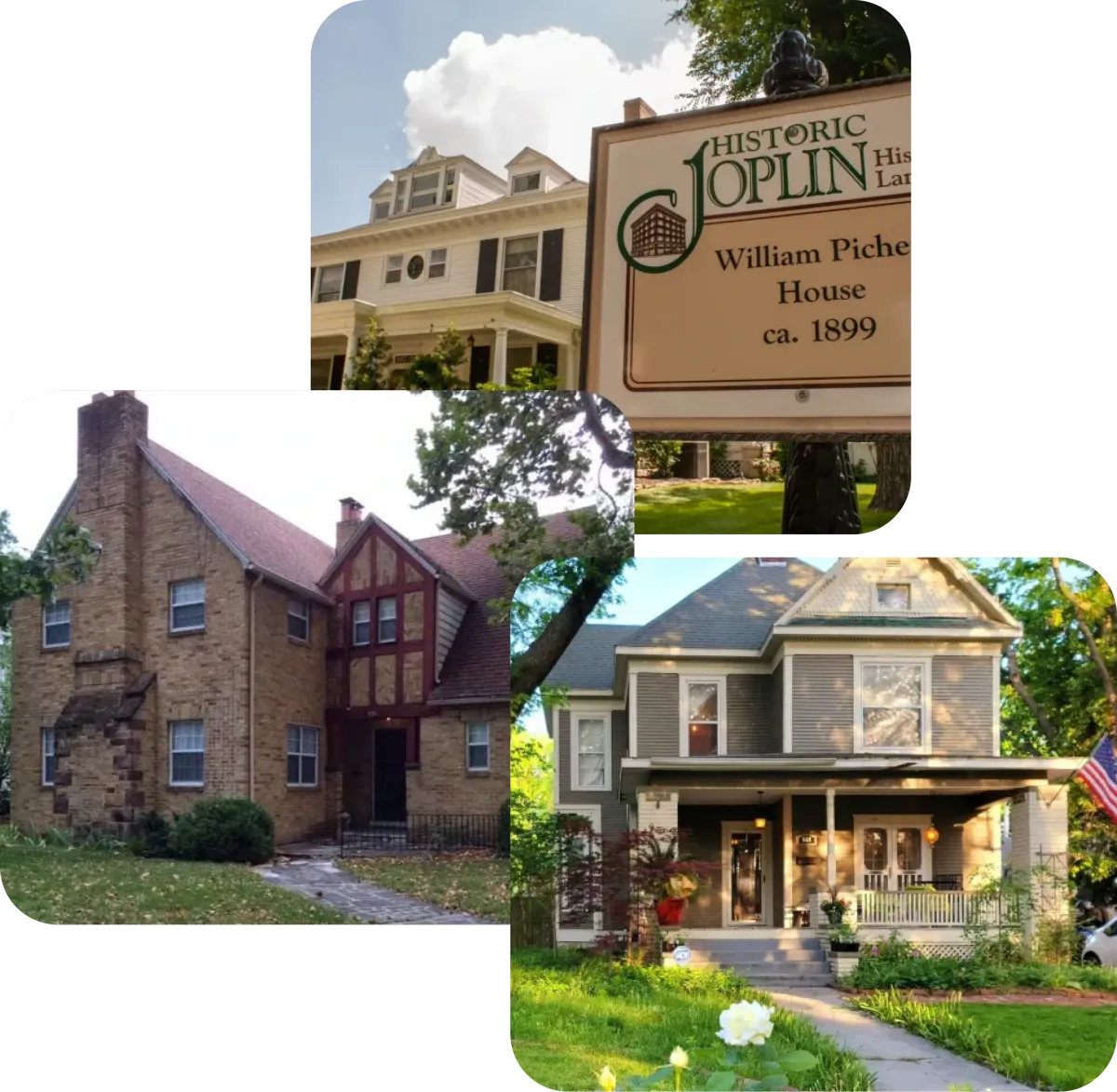

Visit the Joplin Historical Neighborhoods Museum
Schifferdecker and Zelleken Homes 422 S. Sergeant, Joplin, MO 64801
Enjoy an immersive, innovative program in these beautifully restored, historic homes!
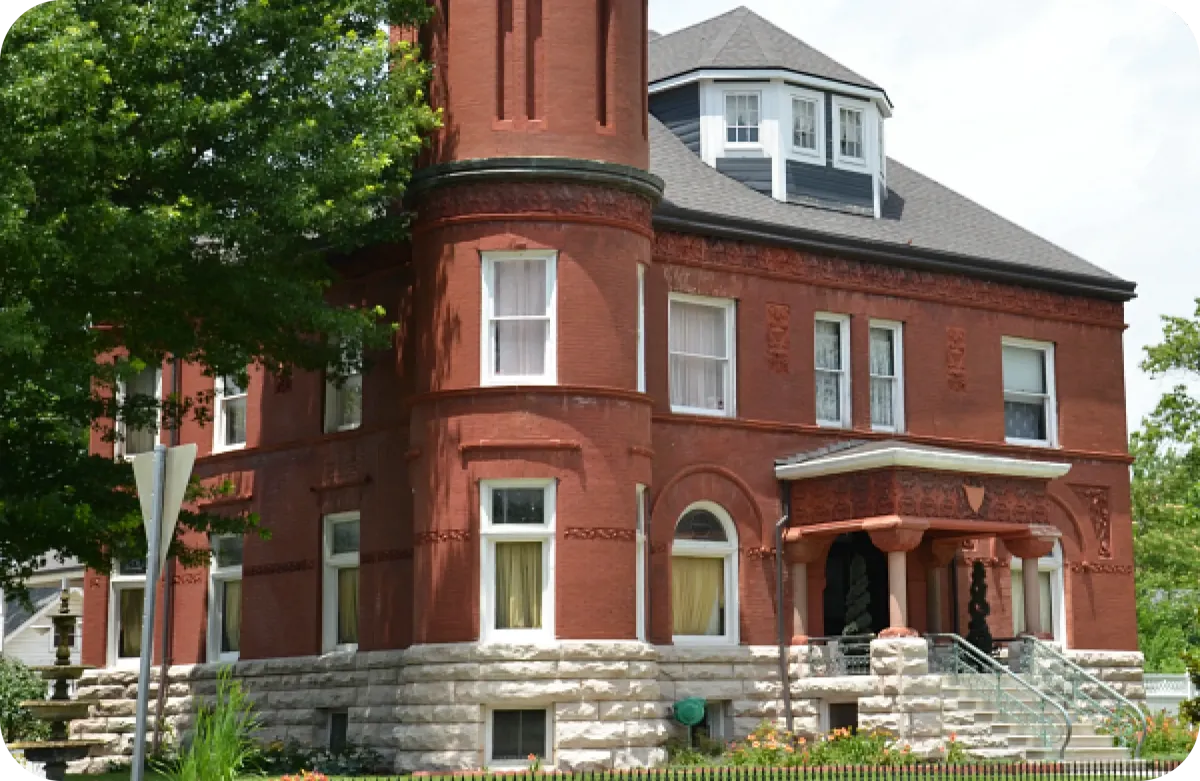
Schifferdecker House
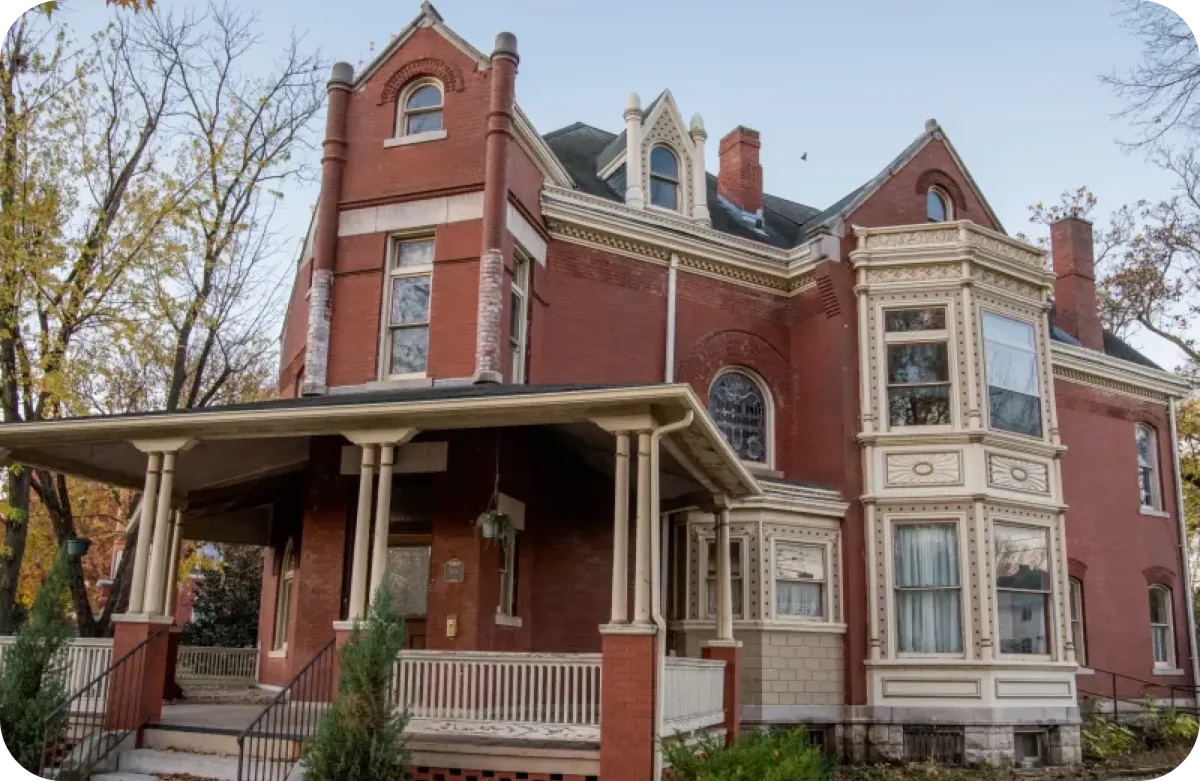
Zelleken House
Did you Know:
Not only does Route 66 pass through Joplin. The Jefferson Highway (which pre-dates Route 66) does as well.
Schifferdecker House
Overview
The Schifferdecker House is one of Joplin’s most iconic historic homes and now serves as a museum preserving the city’s early history.
Key Facts
Built in 1890
Located in the Murphysburg neighborhood
Constructed by Charles Schifferdecker, a German immigrant and successful businessman
Designed inspired by German castles and built using locally sourced stone
It was severely damaged by fire in 1991 and has now been fully restored to be a part of the museum
Features:
Period furnishings
Mining-era artifacts
Local history exhibits
Offers tours, educational programs, and community events


A Leadership Joplin Class 2026 Project
Powered By

Various Joplin, MO photographs provided by 1281 Photography and Waypoint UAV.