
Two Towns. One Feud.
A City Born From Chaos.
Before Joplin was a city, it was a battlefield — two rival mining camps separated by a creek, united by conflict, and forced together by the state of Missouri.
There was a time when what we now call Joplin was actually two towns — and they hated each other.
On one side of a valley creek: Joplin City. On the other: Murphysburg. Miners, merchants, and opportunists flooded the area after a major lead strike around 1870, and two stubborn men planted flags on either side and refused to back down.
What happened next is the kind of story most cities would rather forget — and Joplin should absolutely remember.
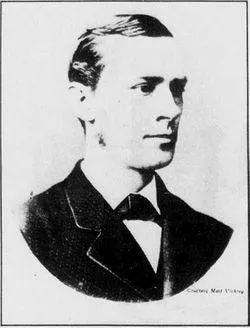
Long before the mining rush, this land was home to the Osage people, who hunted its valleys and waterways. By the late 1830s, as Native tribes were removed westward, the first white settlers began to arrive. Among them was Harris G. Joplin, a Methodist minister from Tennessee, who settled along a spring and creek around 1839–1840. That creek would carry his name forward into history.
Not far away, a man named John C. Cox built a cabin and opened the area's first post office. Lead ore was discovered on or near his land as early as 1848. Small-scale mining began — then the Civil War interrupted everything.
When the war ended, the floodgates opened.
A major lead strike around 1870 brought miners pouring into the Joplin Creek Valley. Two rival settlements rose almost simultaneously. John C. Cox platted Joplin City on the east side. Patrick Murphy platted Murphysburg on the west. The two towns erupted into what historians have called a "reign of terror" — fierce disputes over governance, resources, and power in a place where the law was still figuring itself out.
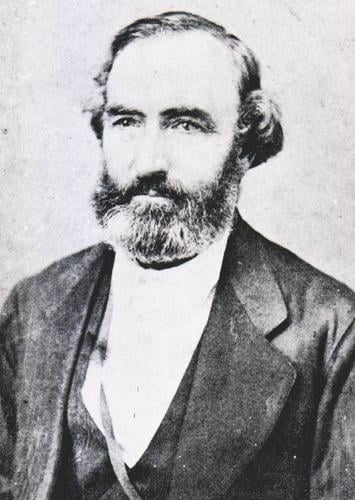
The Missouri General Assembly eventually had enough. They stepped in, forced a merger, and on March 23, 1873, the single City of Joplin was officially incorporated. Legend has it that Murphy himself suggested the final name — a gracious concession from the man who'd fought so hard for his own.
What rose from that conflict was one of the most remarkable boomtowns in American history.
A Joplin boy
The son of a doctor who treated Orville Wright. America's first certified flight instructor. A television star who never stopped believing that aviation was the most important thing in the world.
Next time you're near Schifferdecker Park, look west and imagine a teenage Bob Cummings watching planes rise over the tree line — and deciding that nothing else would ever matter quite as much.
Want to dig deeper into Joplin's aviation roots? The story doesn't end with Bob Cummings. Not even close.


A Leadership Joplin Class 2026 Project
Powered By

Various Joplin, MO photographs provided by 1281 Photography and Waypoint UAV.